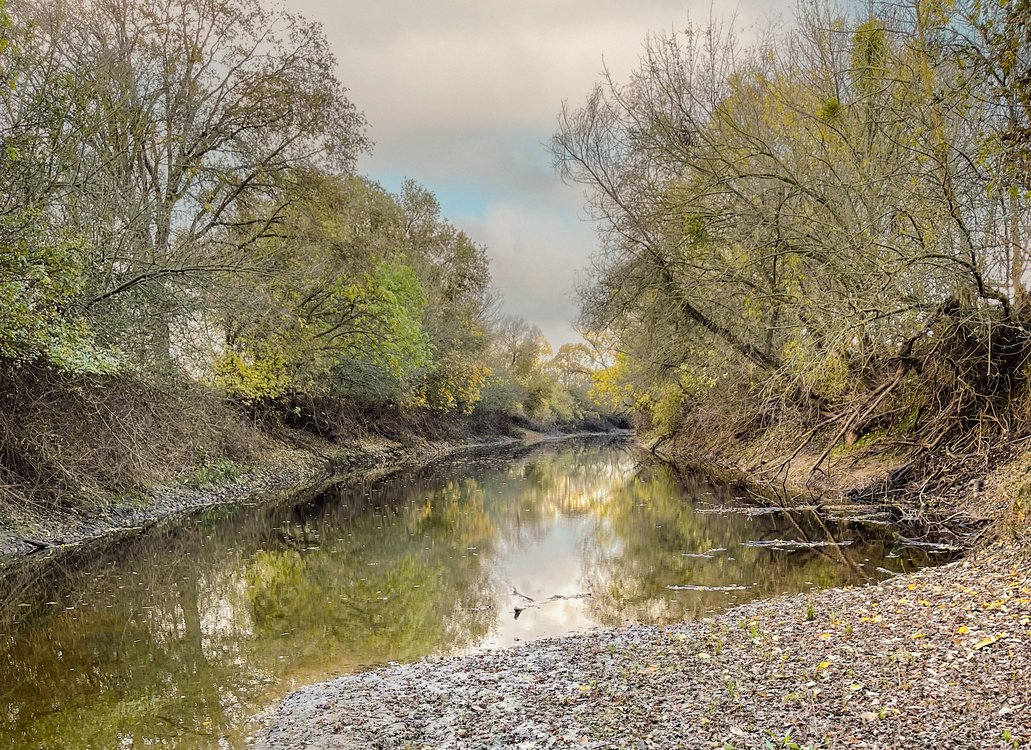
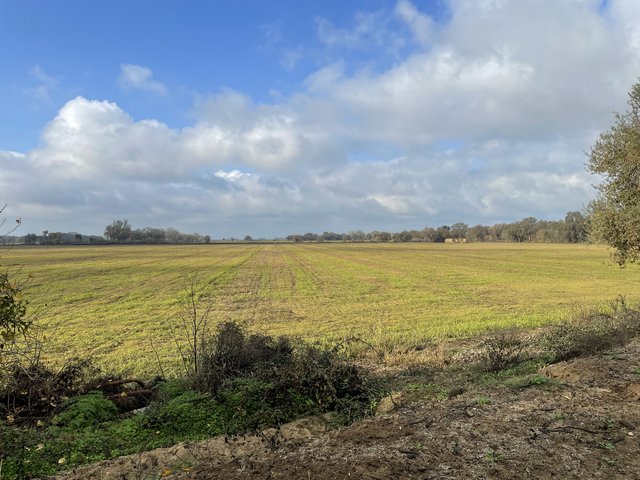
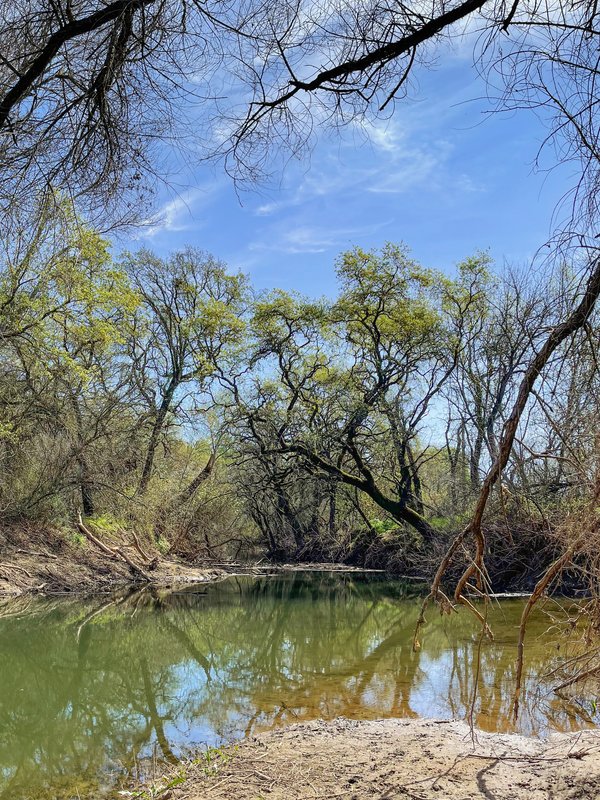
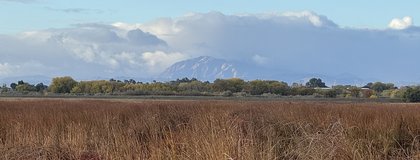
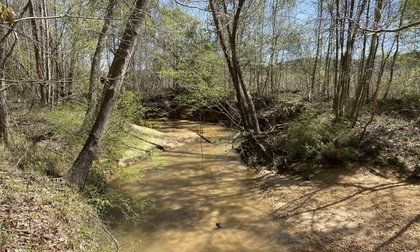
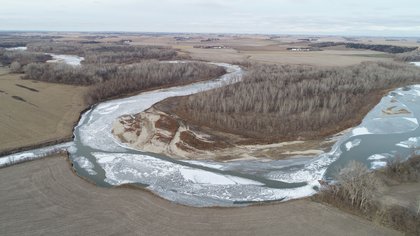
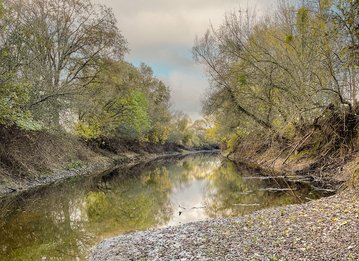
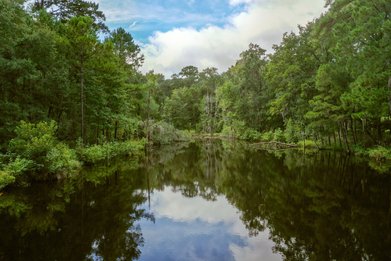
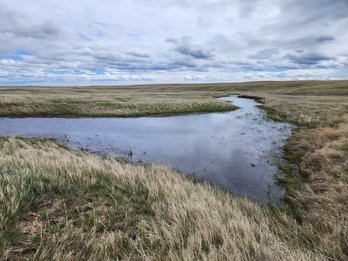
WES plans to allow water to freely flow in and out of the site, re-establishing the floodplain. Floodplain habitat will promote nutrient exchange, provide food-web support for aquatic species, filter out excess nutrients and pollutants, recharge groundwater, and reduce floodwater velocities along the Cosumnes River.
Additionally, WES will enhance and re-establish riparian habitat to provide a dynamic floodplain, upland refugia, and shaded riverine habitat that will support a broad array of species on the site. The site will provide multiple benefits for local fish species, including juvenile Chinook salmon and Central Valley steelhead. The floodplain restoration design supports thermal refuge by increasing shade and vegetation, improving connectivity to cooler water and restoring natural flow patterns. To prevent fish stranding, the floodplain restoration design has configured channels in restored areas to create natural flow patterns and multiple channels, enhancing connectivity to the Cosumnes River.